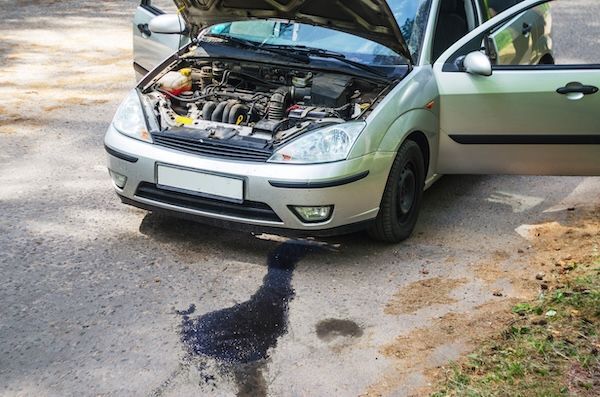
Breakdowns leave little room for calm decision-making. The car stops running, a tire goes flat, the battery dies, or the engine starts overheating, and suddenly, the most basic questions feel urgent. That is why towing and roadside questions come up so often. Drivers want to know what is safe, what is risky, and what should happen next.
Clear answers help you avoid making a stressful situation worse. They also help you protect the vehicle from extra damage while you figure out the safest way to get back on the road.
1. When Should I Call For A Tow Instead Of Trying To Keep Driving?
You should call for a tow when the vehicle has a serious warning light, is overheating, has major fluid loss, has brake trouble, or has a mechanical problem that makes it unsafe to continue. A flashing check engine light, loud engine noise, or a transmission that will not move properly also belong on that list.
Trying to push a vehicle farther in those conditions can turn one repair into several. In many cases, the tow is cheaper than the extra damage caused by continuing to drive.
2. What Should I Do If My Car Breaks Down On The Road?
Move the vehicle to a safe place if it can still be done without increasing the risk. Turn on the hazard lights, stay aware of traffic, and avoid standing near the road any longer than necessary.
Once you are in a safer position, it is time to call for roadside help or a tow. A breakdown is not the moment to start guessing at repairs if the problem is unclear or the location is unsafe.
3. Can Roadside Assistance Fix My Problem Without A Tow?
Sometimes yes, depending on the issue. A dead battery, flat tire, lockout, or minor fuel-related problem may be handled on-site. Those are the kinds of calls roadside service can often resolve quickly.
More serious mechanical issues usually require a tow. If the engine is overheating, the vehicle will not shift correctly, or warning lights indicate a more serious failure, roadside assistance may only be the first step before transport.
4. Is It Safe To Drive With A Flat Tire For A Short Distance?
Driving on a flat tire, even for a short distance, is risky. It can damage the tire, the wheel, and, in some cases, the suspension or brake components.
A tire that might have been repairable can quickly become a full replacement once it is driven flat. If the tire has lost enough air to change how the car handles, it is better to stop and get help.
5. What Should I Do If My Battery Dies?
If the battery dies, the first step is to confirm whether the vehicle needs a jump start or if another electrical issue is involved. A jump can get the engine started, but it does not explain why the battery went dead in the first place.
If the vehicle starts and then dies again, or if electrical systems keep acting strangely, the charging system may also be part of the problem. That is when an inspection becomes more important than another jump.
6. Should I Keep Driving If My Car Is Overheating?
No, overheating should be taken seriously right away. Continuing to drive while the engine is too hot can lead to warped components, head gasket trouble, and much more expensive engine repairs.
If the temperature warning comes on or the gauge rises too high, the safest move is to stop, let the engine cool, and arrange help if needed. Waiting too long is what usually turns a cooling issue into engine damage.
7. What Happens During A Towing Service Call?
A towing service call usually starts with confirming your location, the vehicle type, and what problem you are dealing with. That helps determine whether the vehicle needs roadside assistance on-site or full towing to a repair shop.
Once the truck arrives, the driver secures the vehicle and transports it safely. The goal is not just getting the car moved. It is preventing additional damage while getting it to a place where proper service can be provided.
8. Can The Wrong Towing Method Damage My Car?
Yes, the wrong towing method can create new problems, especially for vehicles with certain drivetrain setups or lowered suspension. Using the wrong equipment or towing from the wrong points can affect wheels, bumpers, steering, or drivetrain components.
That is why professional towing matters. Safe transport is part of protecting the vehicle, not just moving it from one place to another.
9. When Is Roadside Assistance Better Than Waiting Until Morning?
Roadside assistance is worth calling when the vehicle is unsafe to drive, blocking traffic, stranded in a poor location, or showing signs of a problem that could worsen quickly. Waiting may feel easier in the moment, but it can also leave you in a less safe position for longer than necessary.
The same applies if you are dealing with bad weather, low visibility, or a roadside location with fast traffic. In those cases, the timing of the help matters almost as much as the repair itself.
10. How Can I Lower The Chances Of Needing A Tow?
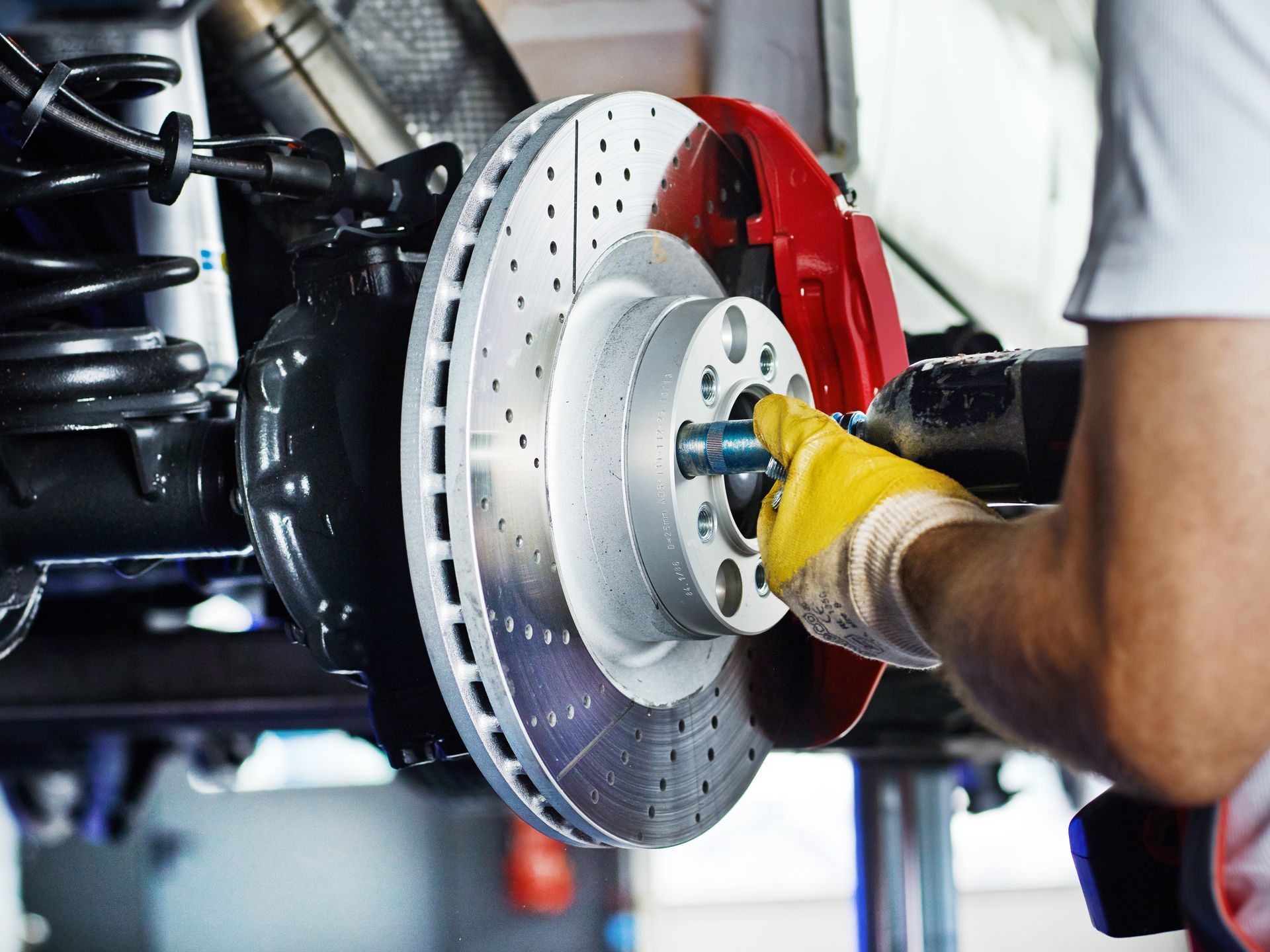
The best way is to stay current on regular maintenance and respond early when the vehicle starts showing signs of trouble. Tire pressure, battery condition, fluid levels, brake wear, and cooling system issues all deserve attention before they turn into roadside problems.
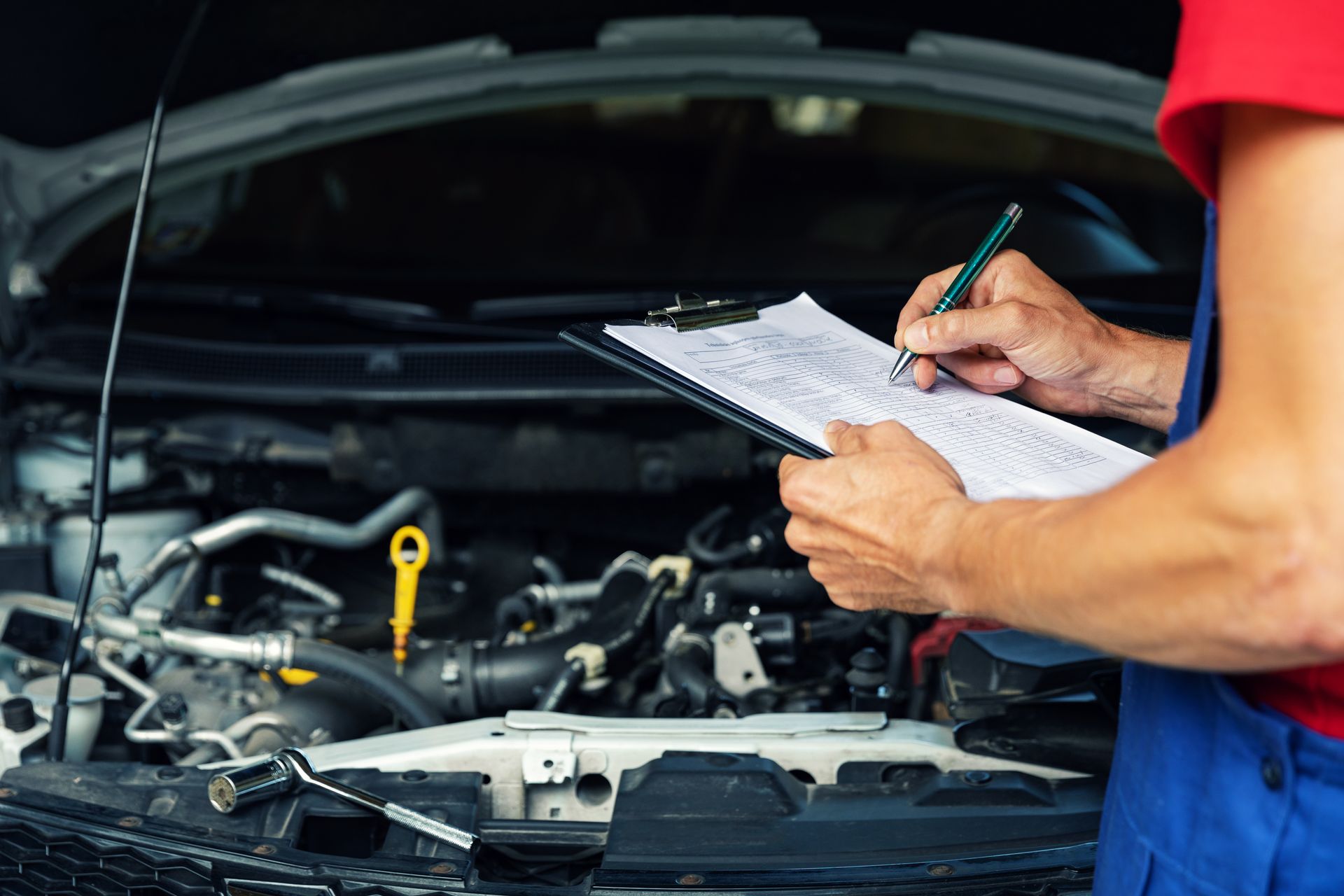
A quick inspection is much easier than a breakdown on the shoulder. Many towing situations begin with small warning signs that are easy to ignore until they are not.
Get Towing And Roadside Help In Micanopy, FL, With I-75 Auto Repair and Towing
If your vehicle has broken down, will not start, has a flat tire, or is no longer safe to drive, I-75 Auto Repair and Towing in Micanopy, FL, can help with towing and roadside support to get you and your vehicle where you need to be safely.
Bring the vehicle in for service once it is off the road so the original problem can be checked before it leaves you stranded again.