Car problems get misunderstood because a lot of symptoms overlap. A vibration can come from the tires, brakes, or suspension. A warning light can be something minor or something time-sensitive, and the car might still feel normal either way.
This FAQ is here to clear up the most common myths so you can make smarter, more informed decisions.
Why These Misunderstandings Keep Happening
Most myths start with a half-truth. Someone had an experience, shared it, and it became a rule people repeat forever. The trouble is modern cars have more sensors and tighter tolerances, so the same symptom can have multiple causes.
If a question below sounds familiar, an inspection can be much cheaper than guessing and swapping parts. It’s also why skipping regular maintenance tends to turn one small issue into a pile of smaller ones at the worst time.
Check Engine Lights And Warning Messages
Does A Steady Check Engine Light Mean My Car Is About To Break Down?
Answer: Not usually. A steady light often points to an emissions or sensor issue you may not feel yet, but it still needs to be checked.
Should I Clear The Code If The Car Seems Fine?
Answer: Clearing the code wipes useful clues like freeze-frame data. If the issue is still there, the light usually comes back after the monitor runs again.
Can A Loose Gas Cap Really Turn On The Check Engine Light?
Answer: Yes, it can trigger an EVAP leak code because the system cannot hold vapor pressure. Tightening the cap may help, but if the light returns, the leak is likely elsewhere.
If The Car Runs Fine, Can I Ignore The Check Engine Light For A While?
Answer: You can often drive gently for a short time if the light is steady and nothing feels off. Waiting weeks or months is when small faults tend to snowball into bigger repairs.
Leaks, Smells, And Fluid Myths
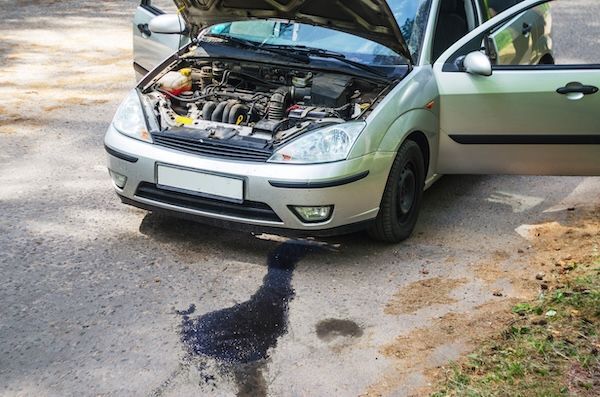
If There Are No Puddles, Does That Mean There Is No Leak?
Answer: No. Fluids can evaporate on hot parts or collect on splash shields and drip somewhere else later.
If The Engine Is Not Overheating, Is Low Coolant Still A Problem?
Answer: Yes, because low coolant reduces your safety margin and can create hot spots before the gauge moves. It also increases the chance of heater issues and air pockets.
Does Dark Oil Automatically Mean Something Is Wrong With The Engine?
Answer: Not always, because oil darkens as it does its job. The real concern is going too long on the interval or letting the level drop low.
Electrical And Starting Myths
If The Car Starts, Does That Mean The Battery Is Fine?
Answer: A weak battery can still start the car and fail the next cold morning. A load test tells you whether it has real reserve left.
Do Flickering Headlights Always Mean The Alternator Is Bad?
Answer: Alternator trouble is common, but loose connections, weak grounds, belt slip, or a tired battery can do the same thing. Testing voltage under load is the clean way to confirm.
If I Replace The Battery, Will That Fix A Battery Drain Issue?
Answer: Sometimes it helps temporarily, but it won’t fix a parasitic draw caused by a stuck relay or a module staying awake. The draw needs to be identified and corrected.
Tires, Brakes, And Alignment Myths
Do I Only Need An Alignment If The Car Pulls?
Answer: No, alignment drift can show up first as uneven tire wear or an off-center steering wheel. By the time it pulls, the tires may already be wearing faster than they should.
Will New Tires Automatically Fix A Vibration?
Answer: Not always. Vibrations can come from wheel balance, a bent wheel, suspension wear, or brake pulsation that happens at speed.
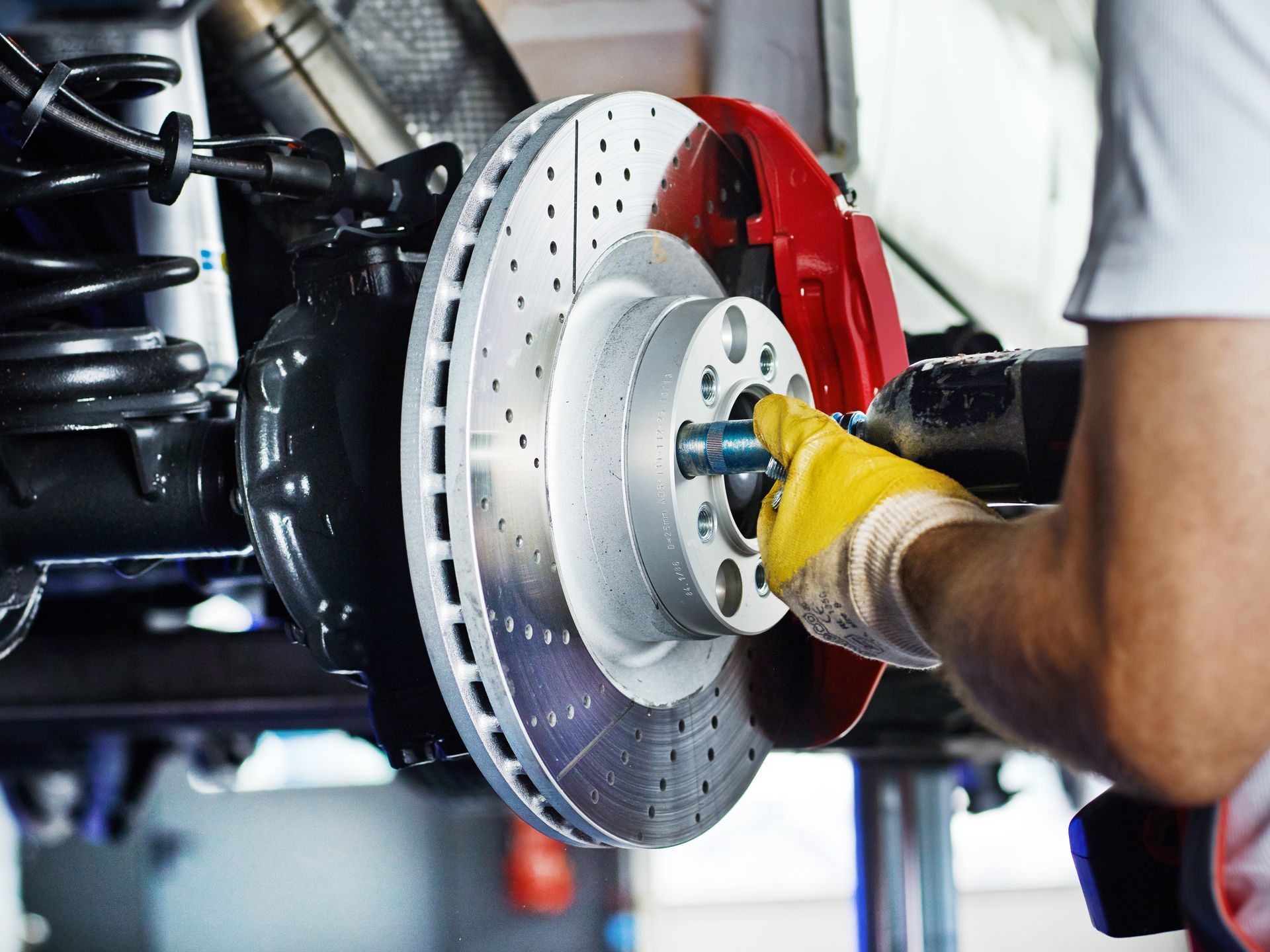
Do Brakes Only Need Service When They Start Grinding?
Answer: Grinding usually means pad material is already gone and rotors may be damaged. Squealing, pulsation, or a pedal feel change is the earlier warning.
When A Myth Becomes A Real Risk
When the check engine light is flashing, the temperature gauge rises above its usual spot, or you smell strong fuel or burning fluid, don’t keep pushing it. Those are the moments when driving longer can turn a manageable fix into a bigger bill.
If you’re unsure, it’s usually better to check it early than to wait for the symptom to get loud.
Get Auto Repair Answers In Micanopy, FL, With I-75 Auto Repair and Towing
I-75 Auto Repair and Towing in Micanopy, FL, can pinpoint what your car is actually telling you and lay out a clear plan so you’re not chasing the wrong fix first. We’ll explain what needs attention now and what can be scheduled.
Set up a visit when you want straight answers you can act on.