A small oil leak is one of those problems that tempts you to ignore it, especially if the car still drives fine and you are not seeing a puddle every day. The trouble is that leaks rarely stay the same, and the oil level can drop faster than you expect once the weather warms up or you start doing more highway driving. The real question is not how long you can drive. It is how long you can drive before the leak turns into low oil, a smoky mess, or a bigger repair.
You do not need to panic, but you should treat it like a timer is running. The smart move is figuring out how serious it is and booking the service before the leak chooses the timing for you.
Why Small Oil Leaks Become Bigger Problems
Oil leaks usually grow because seals and gaskets keep heat-cycling and flexing. Once a gasket starts seeping, grime sticks to it, the rubber softens, and the leak path slowly opens up. Even if the leak rate stays small, the oil can spread and contaminate things you do not want it touching.
The other issue is that you lose your baseline. A tiny seep is easy to live with until you miss one oil check and suddenly the level is a quart low. That is where engine wear starts stacking up quietly.
What Actually Determines How Long You Can Drive
Leak size is only one part of the story. Where it is leaking from and what the oil is hitting matters just as much. Oil dripping onto a shield can burn off and smell, while oil reaching a belt can cause slipping and take out multiple systems in one day.
Your driving pattern matters too. Short trips may not drop the level quickly, but they can hide the problem because the car never gets hot long enough to show smoke or odor. Long highway drives can drop the level faster and spread oil farther under the vehicle.
Quick Checks To Measure How Serious It Is
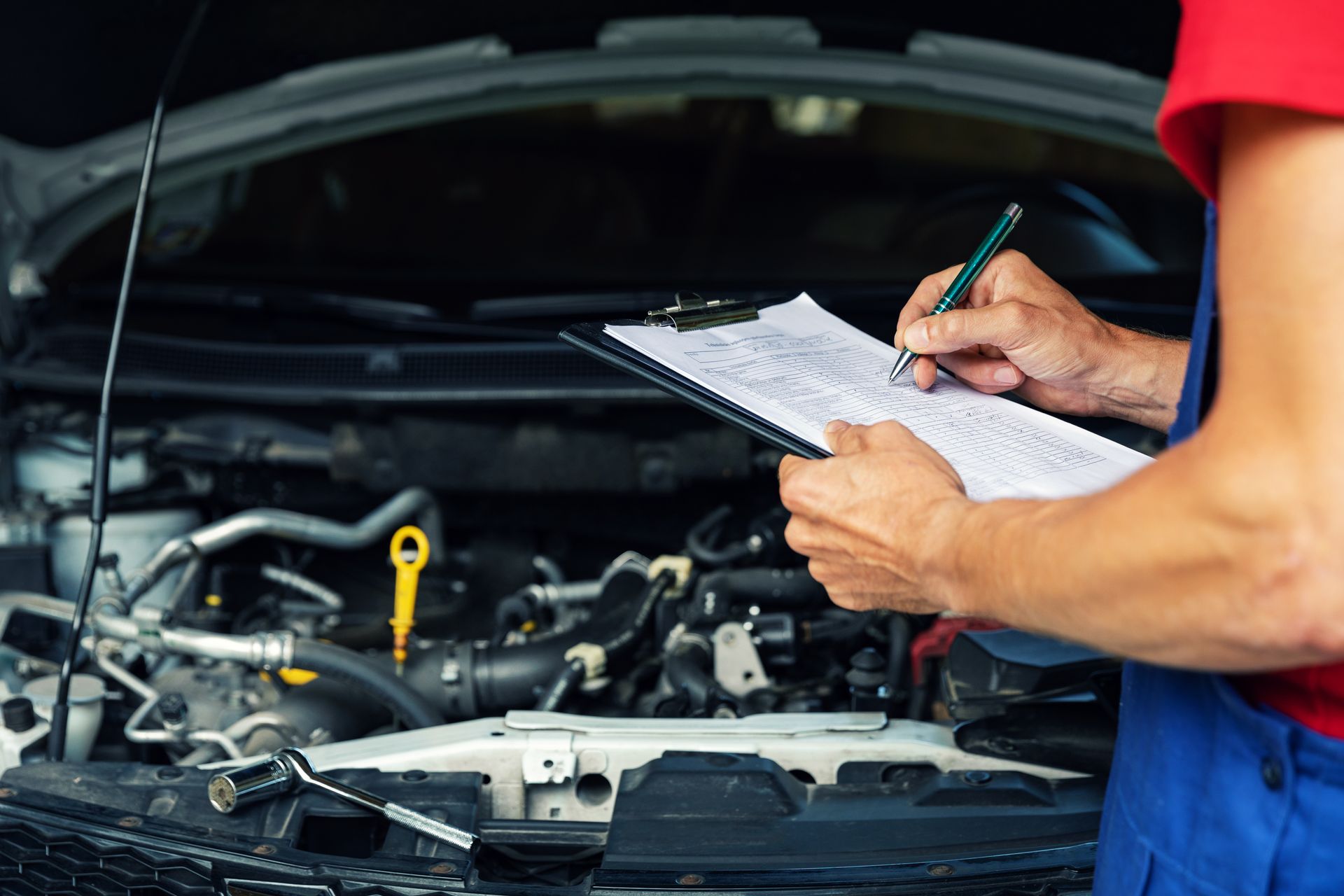
You do not need special tools to get useful information. A basic inspection at home can tell you whether you are dealing with a slow seep or something that is actively dripping.
- Check the dipstick on level ground and note the level today
- Look under the car after it has sat overnight and see if there is fresh spotting
- Smell near the front of the car after a drive for burning oil odor
- Look for oil on the lower engine area and around the oil filter region
- Pay attention to any new squeal that could suggest oil on a belt
If the oil level is dropping between checks, that is a clear sign the leak is not harmless, even if the driveway looks clean.
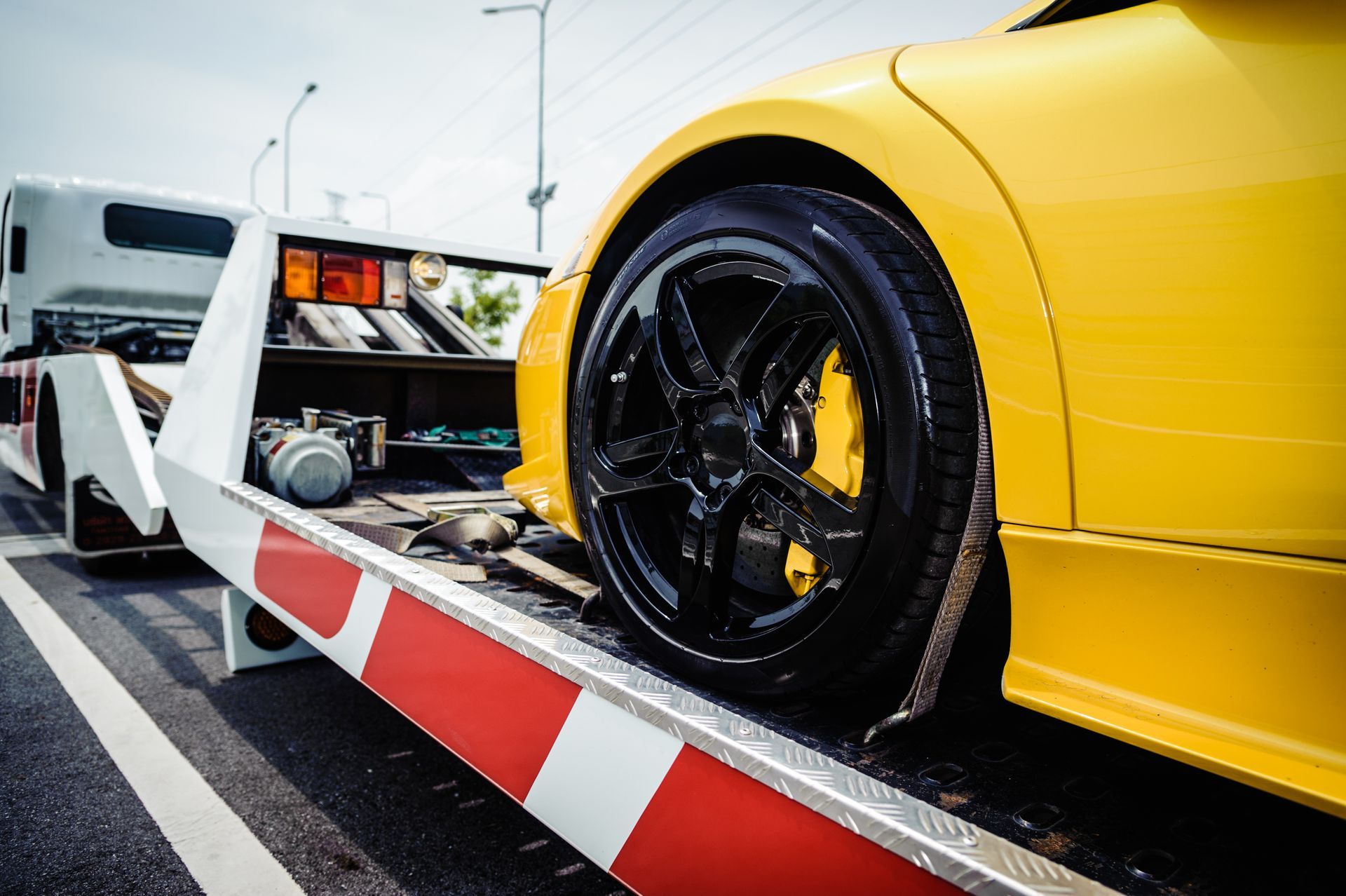
When You Should Stop Driving And Get It Towed
There are a few situations where continuing to drive is simply not worth the risk. These are the moments where a small leak can turn into major engine damage or a safety problem.
- The oil light comes on, flickers, or you get a low oil pressure warning
- You see smoke from under the hood or oil is clearly dripping onto the exhaust
- A large puddle forms quickly, or the leak suddenly gets much worse
- The dipstick is at or below the minimum mark and you cannot top it off safely
- The engine sounds louder than normal, like knocking or harsh ticking
If any of these are happening, shutting it down now is usually far cheaper than seeing what happens next.
If It Truly Is Small, How Far Is Reasonable?
If you have minor seepage, the oil level is staying in a safe range, and there is no smoke or burning smell, you can often drive short distances for daily errands while you schedule service. That does not mean you should take a long road trip and hope for the best. Highway miles and heat can change the situation fast.
A practical approach is to keep drives local, avoid hard acceleration, and check the oil level more often than you normally would. If you top off, use the correct oil, and do not overfill. Overfilling can create its own problems and make a leak look worse.
Why Fixing It Early Usually Saves Money
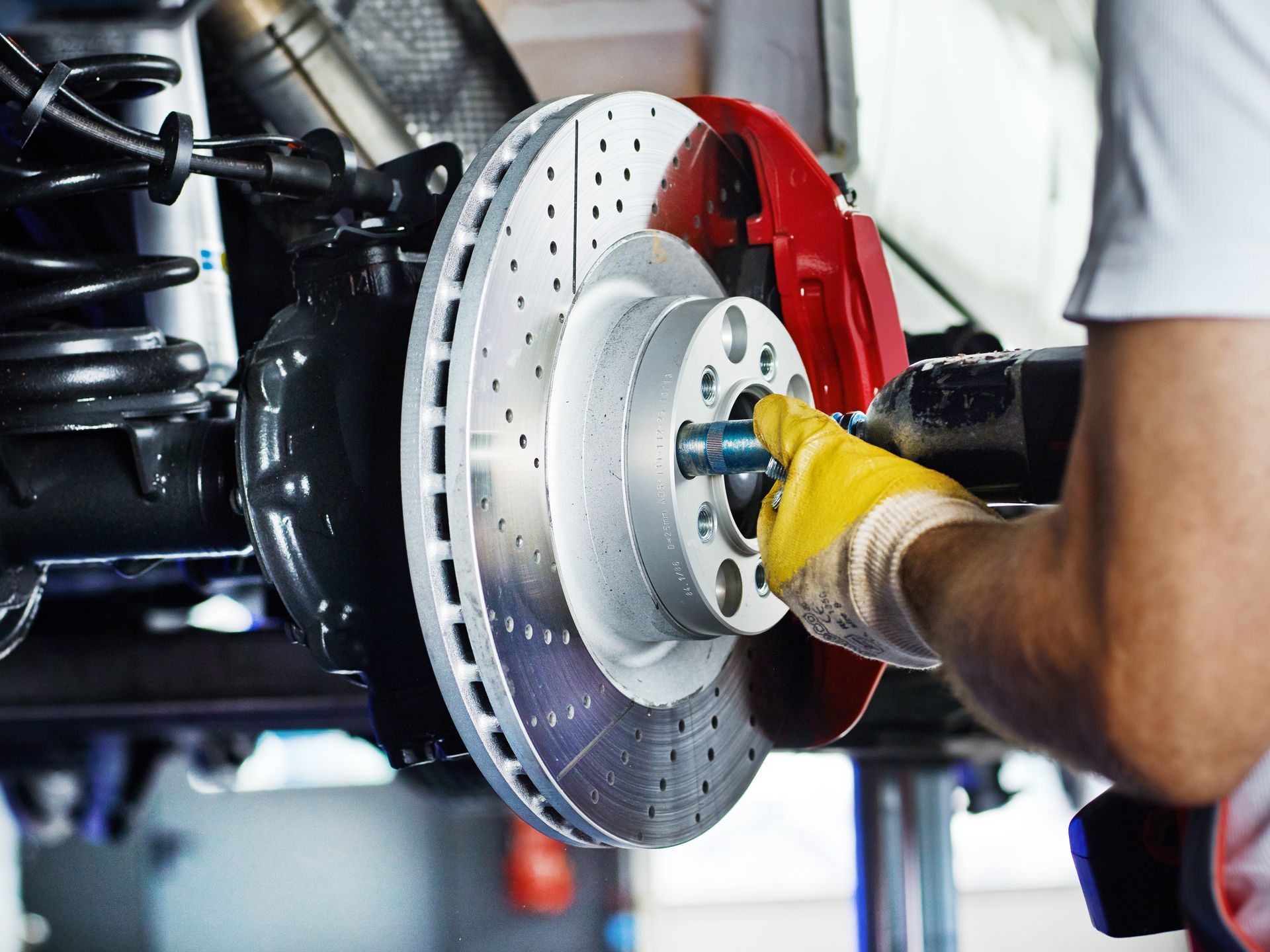
Oil leaks are usually cheaper when they are clean and contained. Once oil spreads everywhere, it becomes harder to pinpoint, and it starts damaging other parts. Belts can slip, rubber mounts can soften, and oil can collect grime that hides new leaks.
This is also where regular maintenance helps you in a very real way. Catching seepage during routine checks keeps the repair smaller, keeps the underside cleaner, and helps you avoid the cycle of constantly adding oil and wondering if it is getting worse.
Get Oil Leak Repair In Micanopy, FL, With I-75 Auto Repair and Towing
If you’re dealing with a small oil leak, the next step is booking a service so it’s repaired correctly before the oil level drops or the leak spreads onto belts and hot exhaust parts.
Schedule service or a visit with I-75 Auto Repair and Towing in Micanopy, FL, when you want the leak fixed properly, so you can stop checking the driveway and dipstick every time you park.