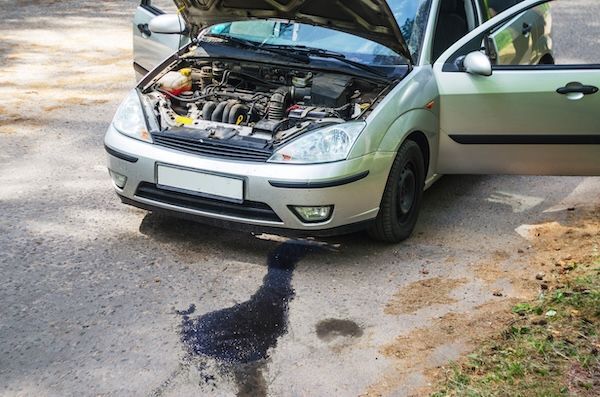
You can drive for months with no warning lights on and still be building up the next big repair bill. Most breakdowns do not come out of nowhere. They usually grow quietly from small, overlooked issues and fluid changes that never happened. Preventative maintenance is about catching those little problems early so your car stays boring in the best way possible: it just starts, drives, and gets you home without drama.
Why Preventative Maintenance Matters More Than It Seems
A healthy car is kind of invisible in your daily routine. You turn the key, it starts, you go. Because of that, it is easy to see scheduled services as optional, especially when everything seems to be working fine. What you do not see is the slow wear inside the engine, brakes, transmission, and cooling system.
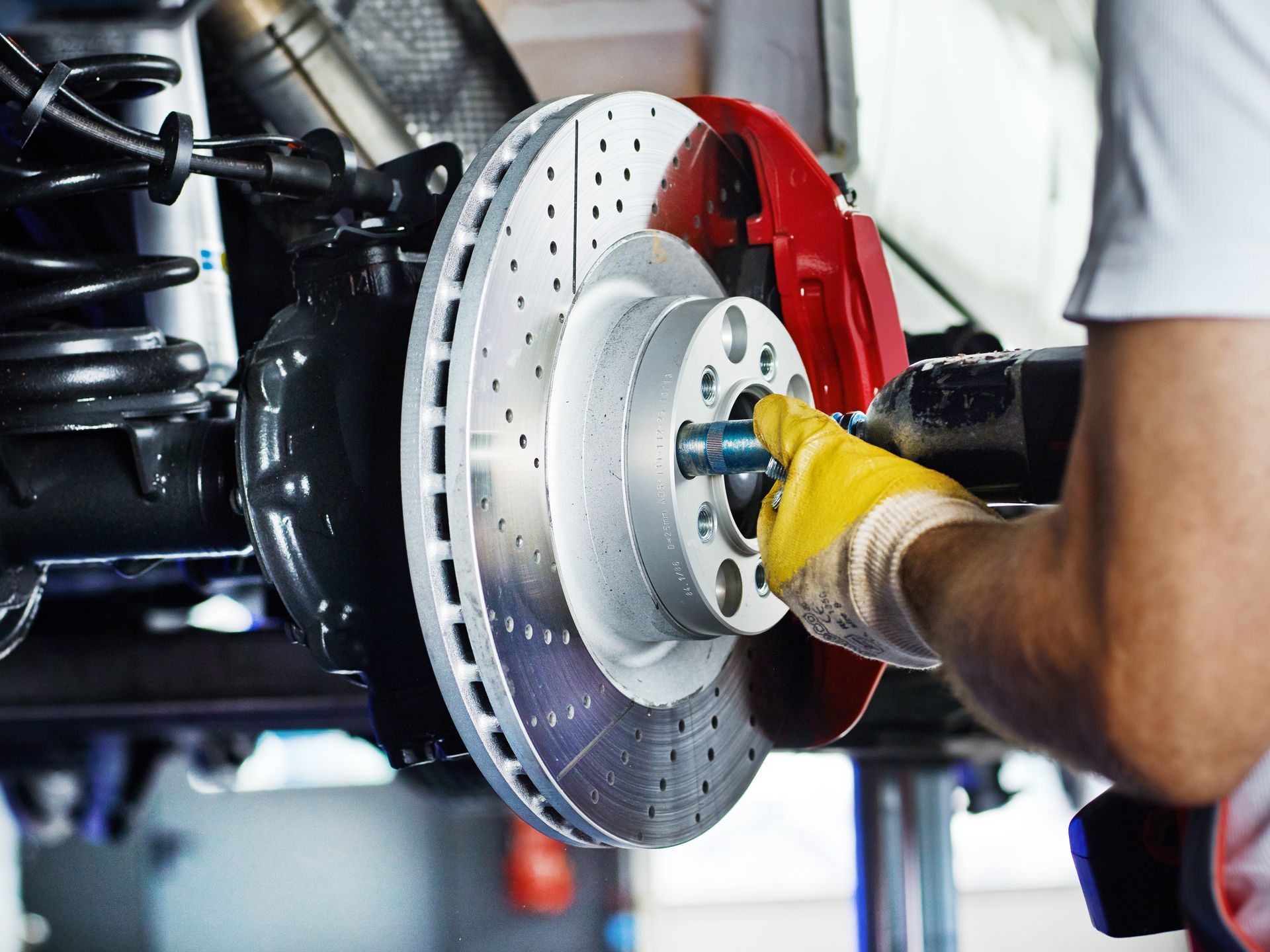
Preventative maintenance steps in before that wear becomes failure. Oil changes remove dirty, acidic oil before it starts grinding away at bearings. Coolant services refresh the additives that protect metal and gaskets. Brake inspections catch thin pads before they reach metal on metal. From what we see in the bay every day, the cars that age gracefully are the ones that get small, consistent care instead of waiting for emergencies.
How Preventative Maintenance Saves You Money Over Time
Skipping maintenance can feel like saving money in the short term, but the math tends to flip as the miles add up. A neglected coolant system is cheaper to ignore today, but if it corrodes a radiator, water pump, or heater core, you pay for multiple parts and a tow instead of a simple flush.
The same story plays out with engine oil and transmission service. Regular oil changes are one of the least expensive services your car needs. An engine that wears out from dirty or low oil is one of the most expensive failures you can face. We see the difference clearly: vehicles that stay on a realistic schedule usually avoid big, surprise repair bills, because problems get handled while they are still affordable.
Reliability and Fewer Breakdowns on the Road
Nobody plans to break down on the shoulder on their way to work or during a road trip. Most roadside failures we see could have been predicted by something earlier: a weak battery that was slow cranking for weeks, a belt with obvious cracks, or brakes that had been squealing for months.
Preventative maintenance visits give you a chance to hear about those weak spots before they leave you stranded. A technician can spot a swollen hose, a loose suspension joint, or a leaking shock while the car is safely on the lift. Fixing those items on your schedule is a lot less stressful than waiting for the car to decide when it is done cooperating.
Better Performance, Fuel Economy, and Safety
A well-maintained car simply feels better to drive. Fresh spark plugs and clean filters help the engine start quickly, idle smoothly, and respond when you ask for power. Proper tire pressure and alignment keep the steering steady and the ride comfortable. Brakes that are in good shape give you firm, predictable stops instead of surprises.
All of that feeds into safety and fuel economy. When the engine is not fighting old oil, dirty air filters, or dragging brakes, it does not have to work as hard. That means smoother acceleration and fewer stops at the gas station. It is easy to underestimate how much those small bits of attention add up over the life of the car.
What Preventative Maintenance Typically Includes
Preventative maintenance is more than just an oil change here and there. A good plan touches all the major systems over time. Depending on mileage and age, a typical list includes:
- Engine oil and filter changes at realistic intervals for your driving
- Air filter, cabin filter, and fuel system checks or cleaning
- Brake inspections, pad and rotor replacement when needed, and fluid checks
- Coolant, transmission fluid, and differential fluid service at the right mileages
- Battery, belts, and hose inspections with replacement before failure
- Tire rotation, pressure checks, and alignment checks
When we look over a vehicle, we are not trying to sell every possible service at once. We are prioritizing what keeps you safe, what protects the most expensive components, and what can be scheduled for a future visit.
Building a Maintenance Plan Around How You Drive
No two cars live the same life. One might spend its days in highway traffic, another only sees short trips around town. That matters more than most people think. Stop and go driving, hot weather, towing, and rough roads all count as “severe service” in most owners’ manuals, even if it just feels like normal life to you.
A realistic preventative plan takes that into account. If your driving fits the severe category, it makes sense to shorten some fluid intervals and look at brakes, tires, and suspension more often. If you drive fewer miles but keep a car for many years, time limits on fluids and rubber parts become more important than mileage alone. When we talk maintenance with drivers, we like to match the schedule to the way the car is actually used, not just the numbers on a sticker.
Get Preventative Maintenance in Micanopy, FL with I-75 Auto Repair and Towing
If you are tired of surprise repairs or are not sure where your car stands on maintenance, this is a good time to get a baseline. We can inspect your fluids, brakes, tires, and key components, review the manufacturer provided schedule, and help you build a simple, practical plan that fits your budget.
Schedule preventative maintenance in Micanopy, FL, with
I-75 Auto Repair and Towing, and we will help keep your vehicle reliable, safe, and ready for every mile ahead.